Your guide to seeing it all
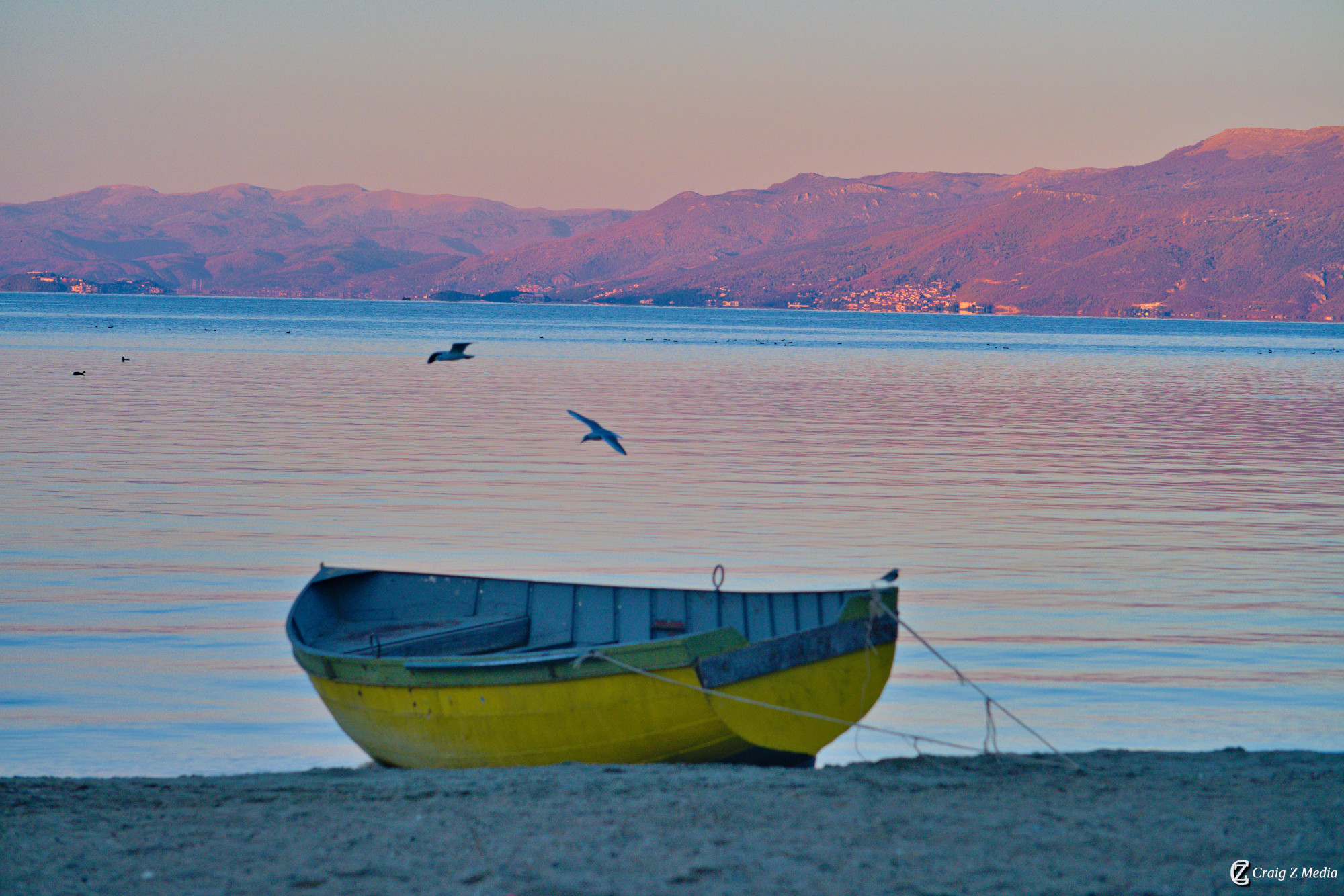
Pogradec sits on the southern shore of Lake Ohrid in southeastern Albania, and from the moment you arrive, the lake commands your attention. The water — ancient, impossibly clear, reflecting the surrounding mountains — sets the mood for everything that follows.
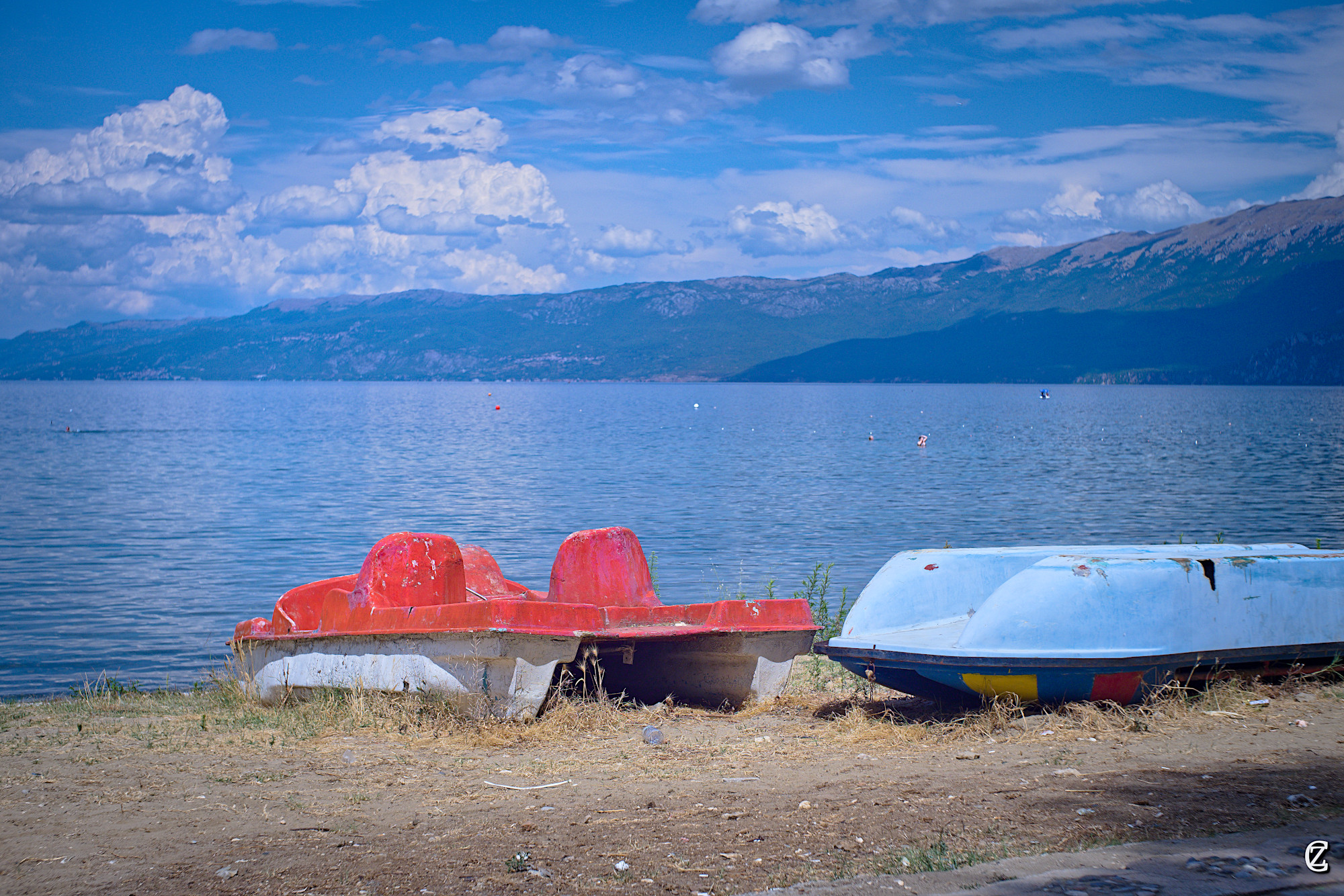
Begin your visit on the shëtitorja, the lakefront promenade that runs through the heart of the city. Here, locals take their evening stroll, fishermen sell the day's catch, and the mountains of North Macedonia shimmer across the water. It is the social spine of Pogradec — unhurried and welcoming.
From the promenade, the old market draws you inland with the aromas of fresh bread, roasting coffee, and spiced meats. Wander deeper and you'll find the castle ruins above the city, Orthodox churches that predate the Ottoman era, and a lake so full of life that scientists are still discovering new species in its depths.
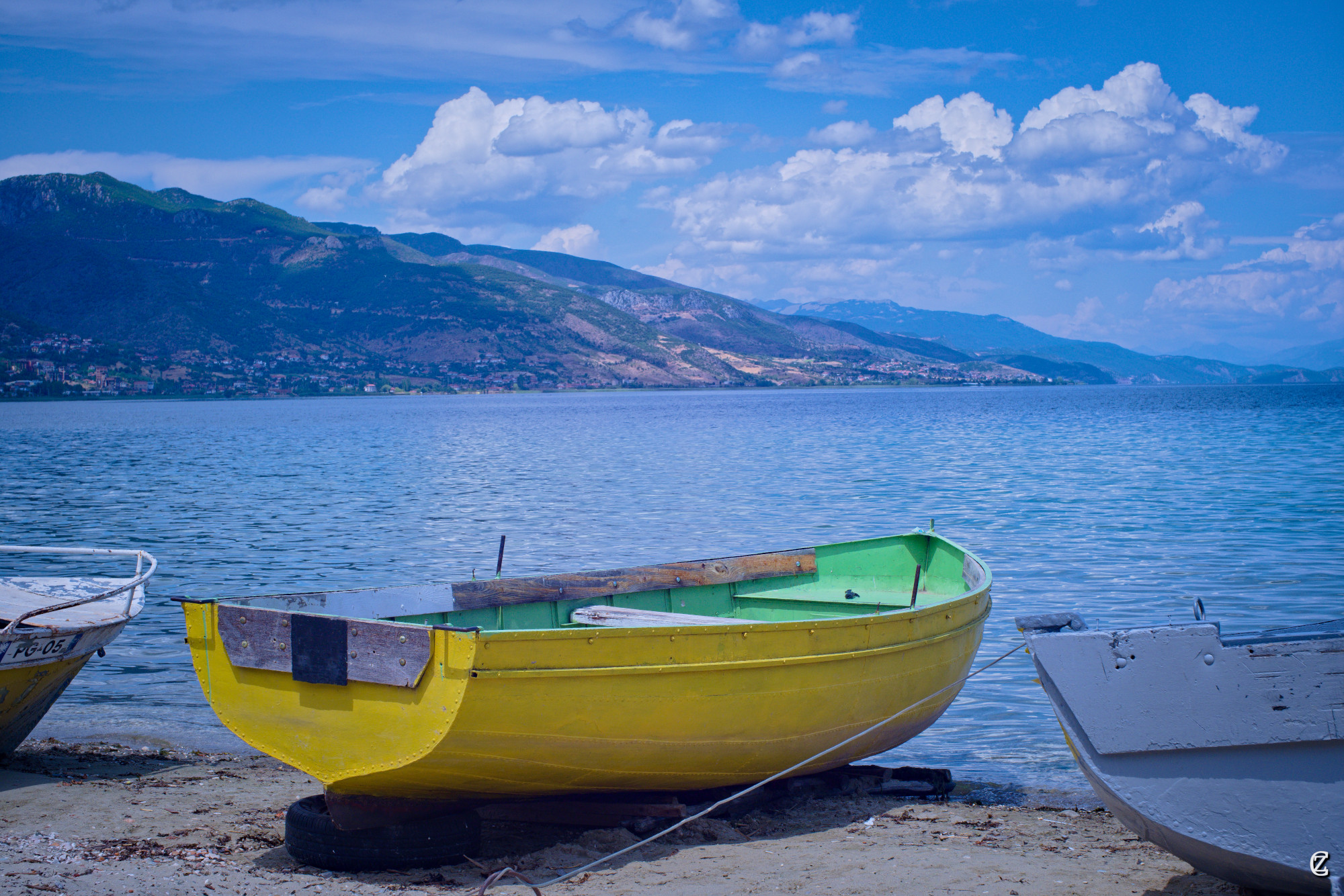
The shëtitorja is the beating heart of Pogradec. This sweeping lakeside walkway stretches for kilometres along the shore, lined with cafes, trees, and uninterrupted views across the ancient waters to the mountains beyond. At dusk it transforms into an open-air theatre of daily Albanian life.
ExploreA slender finger of land pushing out into the lake, Lin village is one of the region's great hidden treasures. Archaeological finds here date back thousands of years, and the small Byzantine church contains some of the finest medieval frescoes in Albania. The drive alone is worth it.
Discover LinHigh above the city, the ruins of the Byzantine fortification offer the finest panoramic views of Lake Ohrid and the surrounding valleys. The walls have stood through Illyrian, Roman, Byzantine, and Ottoman occupation. Walking among them is a quiet communion with three millennia of history.
Visit the castleThe Church of St. Mary on Maligrad Island is among Albania's most sacred and visually dramatic Orthodox sites. Reached by boat, it rises from a rocky islet in the lake with an atmosphere of timeless devotion. The interior icons and stone carvings have been lovingly preserved for centuries.
Learn morePogradec's old market district retains the atmosphere of its Ottoman trading past. Navigate lanes lined with craftsmen, produce sellers, and coffee shops where time moves slowly. It is the ideal place to find local honey, hand-stitched textiles, and the freshest ingredients that stock the city's kitchens.
Explore the bazaarThe city museum holds a thoughtful collection spanning the full sweep of the region's history — Illyrian artefacts, Byzantine relics, Ottoman-era objects, and documents from the Albanian national awakening. Well-curated and compact, it provides essential context for everything you will encounter across the city.
Plan your visitPogradec's culinary identity is shaped by the lake itself. The star of every serious restaurant menu is the Koran — the Ohrid trout, known scientifically as Salmo letnica, a species found only in these waters. Grilled simply over open coals and served with lemon and fresh herbs, it is one of the great dishes of the Balkans. Beyond the lake's bounty, the local table is generous: slow-cooked lamb, fresh white cheeses, roasted peppers, and dark honey from mountain hives.
A beautiful, family-run taverna with a loyal following among both locals and visitors. Taverna Eransi is celebrated for its straightforward approach to Albanian lakeside cooking — fresh Koran trout from the lake grilled simply, generous meze to start, and the kind of warm hospitality that keeps people coming back. Consistently rated 5 stars by guests, it delivers outstanding food at honest prices.
Perched on the shores of Lake Ohrid on Rruga Dëshmorët e Pojskës, Cavos is one of Pogradec's most atmospheric dining spots. The menu showcases local flavours with a Mediterranean sensibility — think grilled lake trout, fresh seafood, and well-crafted Albanian classics. Live music adds to the mood on busier evenings, and the lakeside setting makes it ideal at sunset. Booking ahead is recommended in summer.
Ranked among the top three restaurants in Pogradec on TripAdvisor, The Change is a modern, stylish bar-restaurant that brings something genuinely different to the local scene. With a Greek head chef and a menu spanning pasta, seafood, steaks, and Albanian classics, the kitchen puts real craft on the plate. For signature dishes, the chef sometimes cooks tableside — a memorable touch. Staff speak Albanian, Greek, and English.
Few restaurants in Pogradec feel as genuinely welcoming as Oborri Familjar. Tucked under a vine-covered terrace, this family-run spot serves Albanian home cooking at its most honest — carp with lemon sauce, grilled Koran, homemade fries, and dishes that taste as though they came from a grandmother's kitchen. Rated 5 stars with nearly 200 reviews, it is a word-of-mouth favourite for a reason.
Pogradec is approximately 150 km southeast of Tirana via the SH3 national road — a drive of around two hours through increasingly dramatic mountain scenery. The road through the Elbasan valley is well-maintained, and the final approach along the lake shore is one of the most beautiful drives in Albania. From Korçë, the city is only 40 km away.
Regular furgon (shared minibus) and bus services connect Pogradec with Tirana's Linza terminal throughout the day, with the journey taking around two to three hours depending on stops. Buses also connect from Korçë, Elbasan, and Durrës. The bus station in Pogradec is centrally located, within easy walking distance of the promenade.
Pogradec's compact centre is best explored on foot — nearly all the main sights, restaurants, and the promenade are within a comfortable walking distance of one another. Taxis are inexpensive and available throughout the city. For day trips to the Lin Peninsula or outlying villages, a hired car or arranged taxi is the most practical option.
The warm months bring long, clear days perfect for the promenade, swimming, and boat trips on the lake. July and August are peak season. May, June, and September offer gentler crowds with still-excellent weather. Winter is mild by Balkan standards but some lakeside businesses close.
Albania's currency is the Lek. Cards are accepted at hotels and larger restaurants, but carry cash for markets, smaller cafes, and transport. ATMs are available in the city centre. As of 2026, Albania remains one of the most affordable destinations in Europe for travellers.
Albanian (Shqip) is the national language heard everywhere. In southeastern Albania — including Pogradec — Greek is widely spoken, particularly among the local Greek minority community. Italian is understood across Albania, especially among older generations, reflecting historic cultural ties. English is increasingly common among younger people in hospitality and tourism.
Pogradec is considered one of Albania's safest and most welcoming cities. Violent crime is extremely rare, and hospitality toward visitors is deeply ingrained in Albanian culture. Standard travel precautions apply — keep valuables secure and be aware of your surroundings in crowded areas — but the city feels genuinely relaxed and safe.